


Wood Effect Tiles, Laminate or Real Wood Flooring? Complete Comparison Guide
2026-08-05
Author: Lucy Forbes – PR & Communications
Choosing between wood effect tiles, laminate flooring or real wood all depends on your budget, lifestyle, location of laying and installation choice. All three options provide a wood-look, but they differ in durability, water resistance, maintenance and cost.
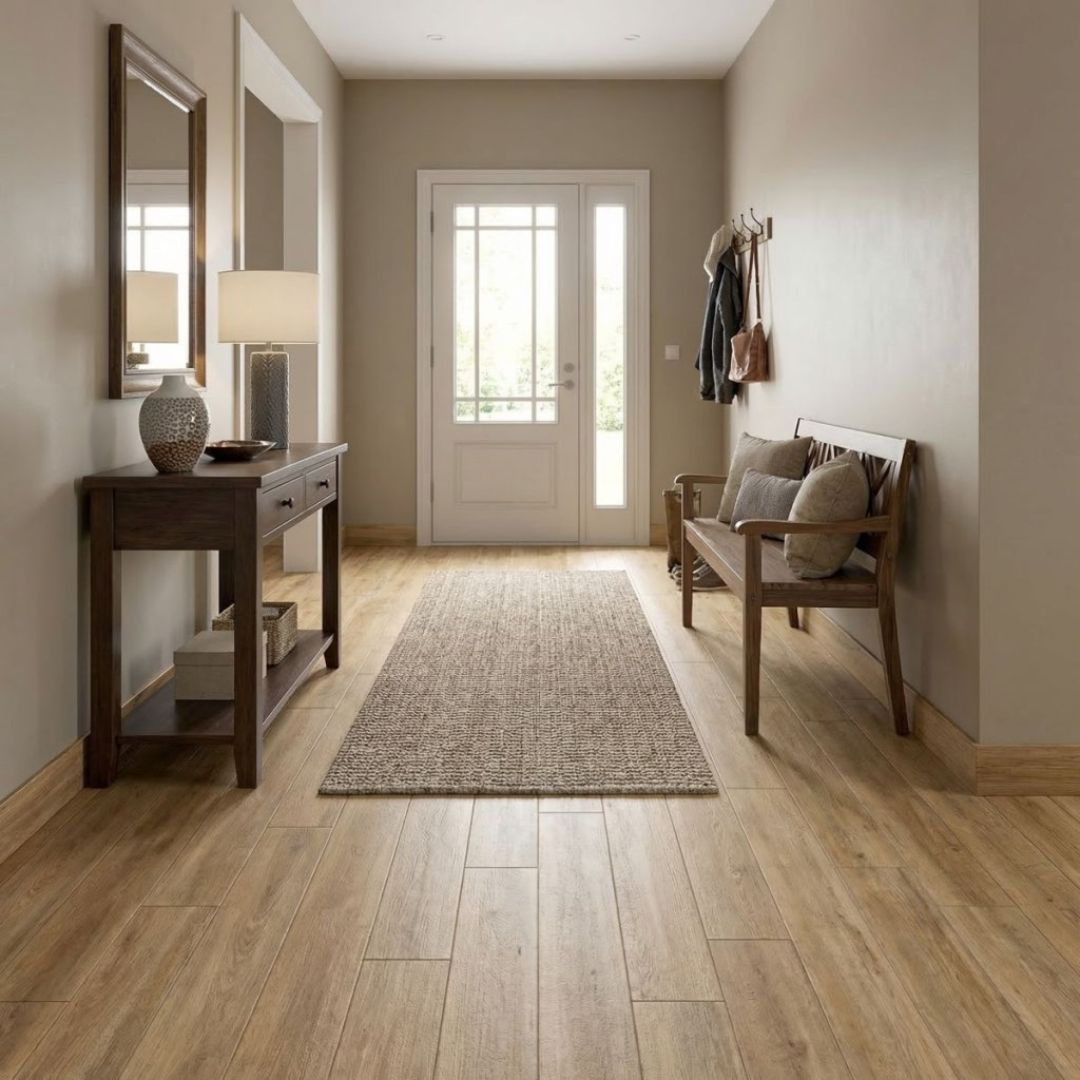
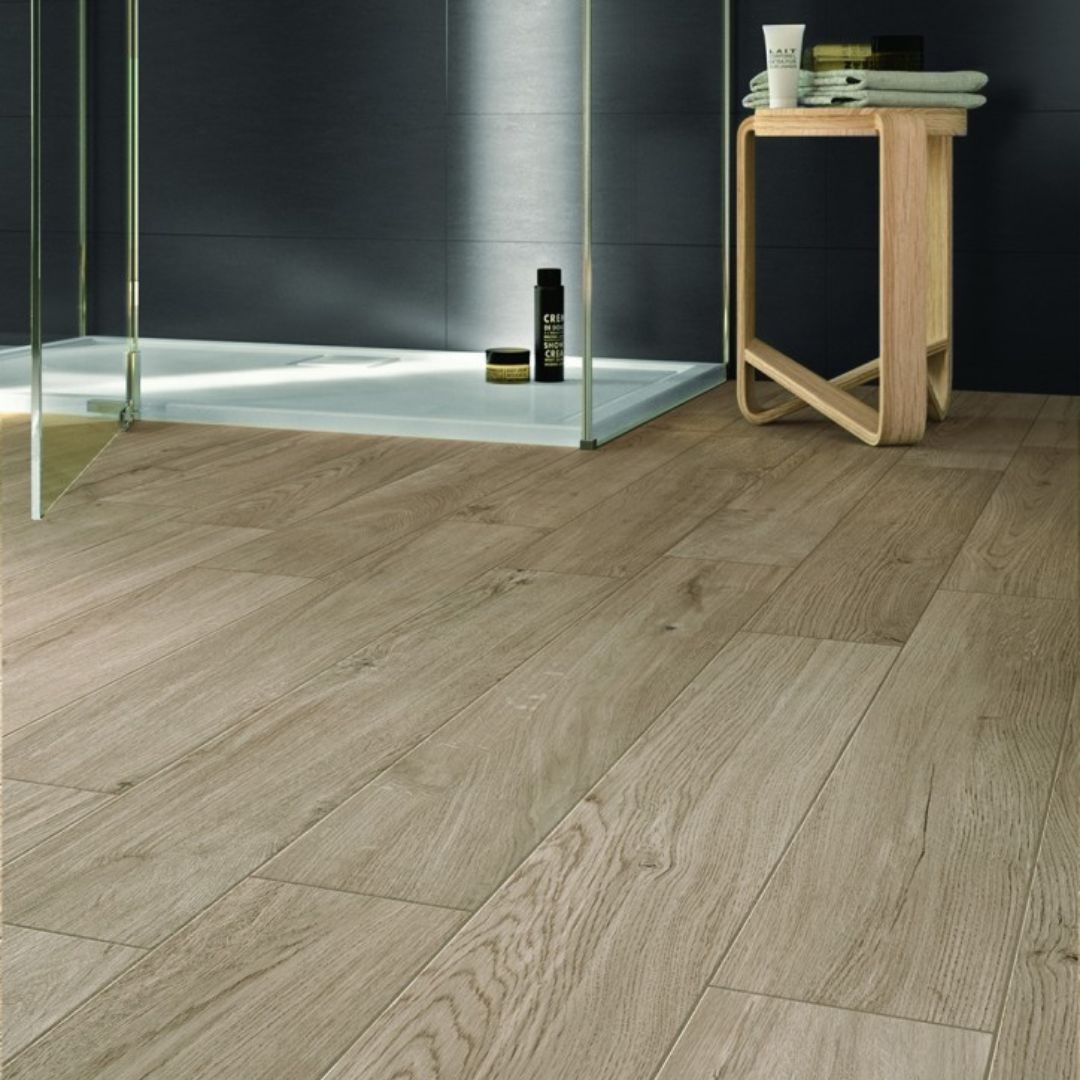
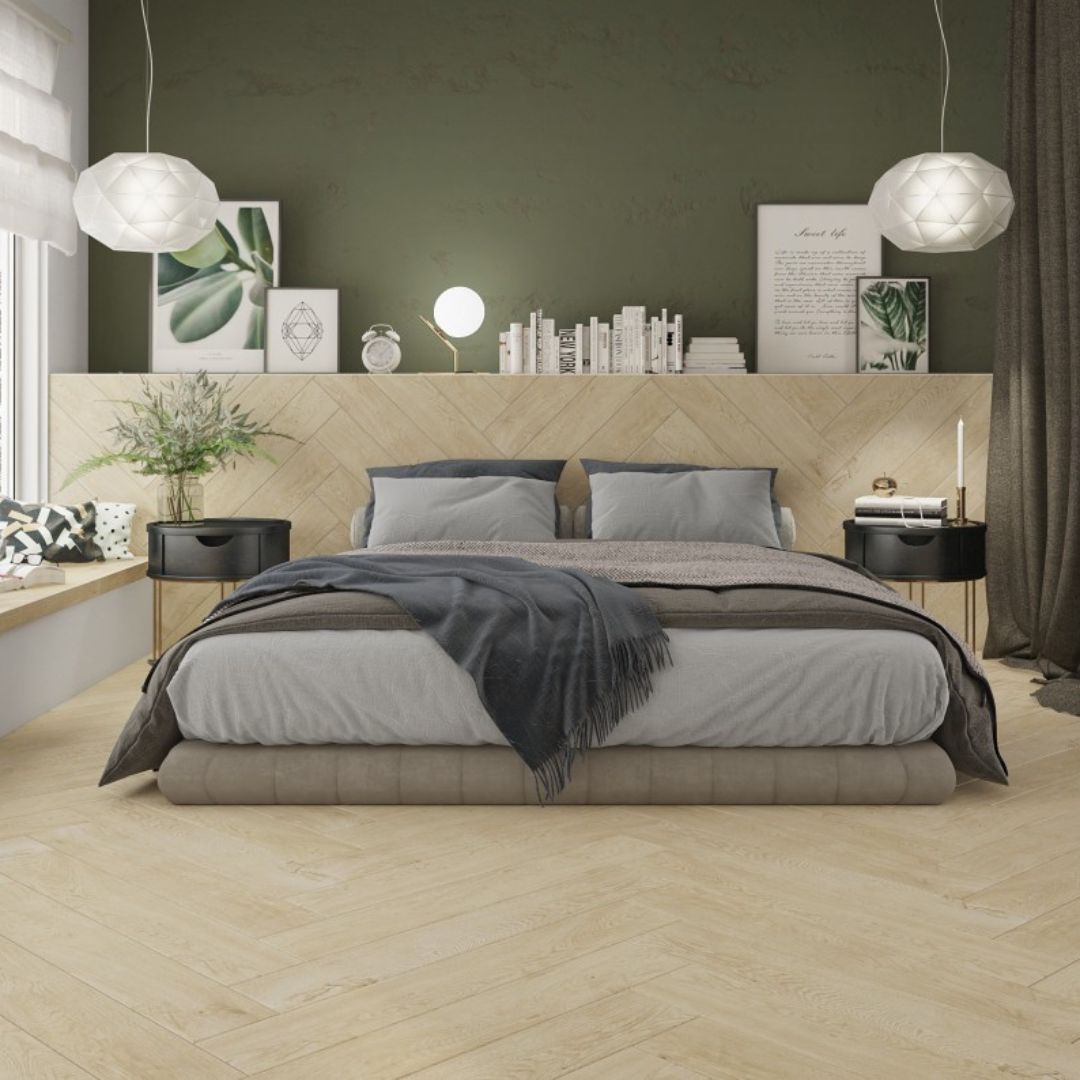
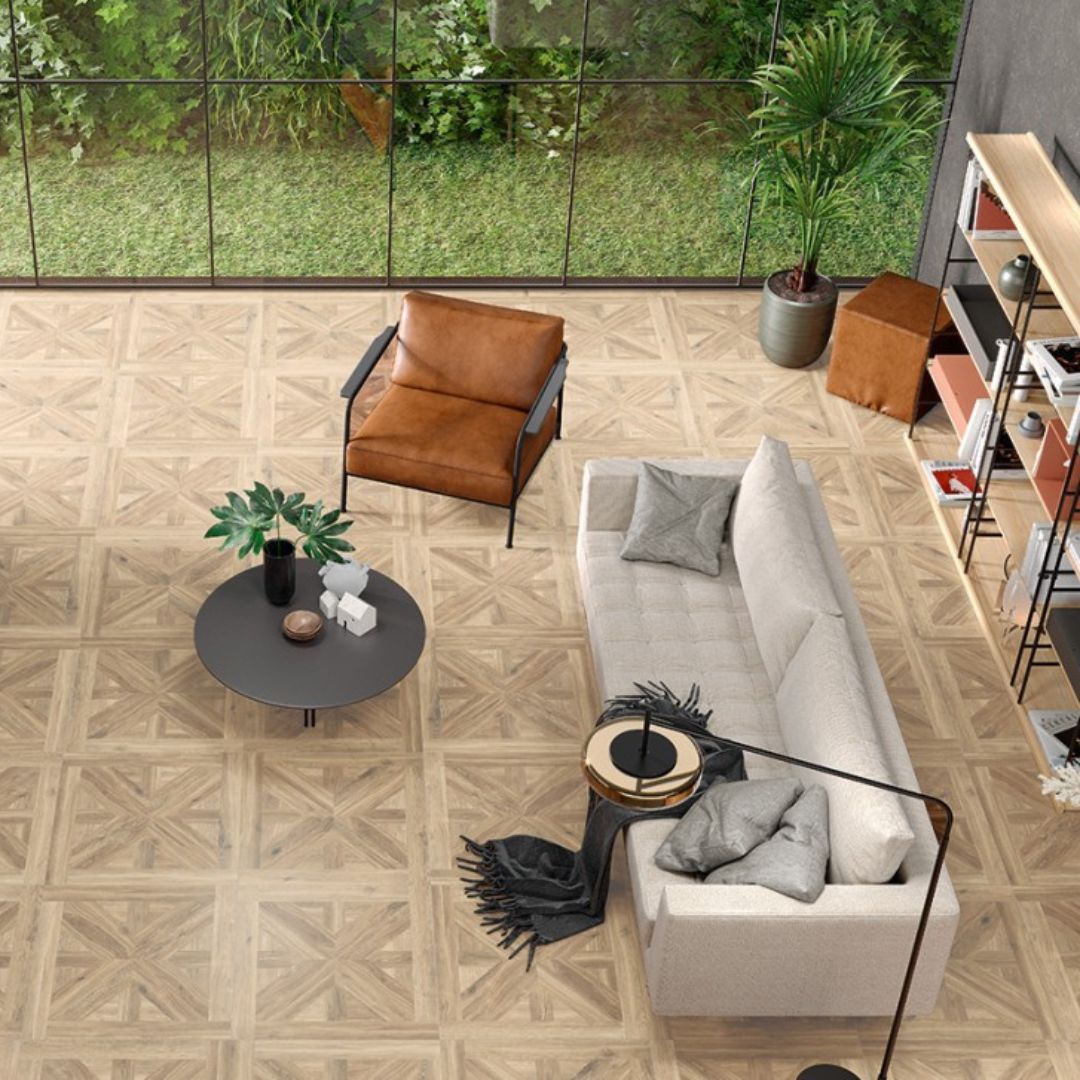
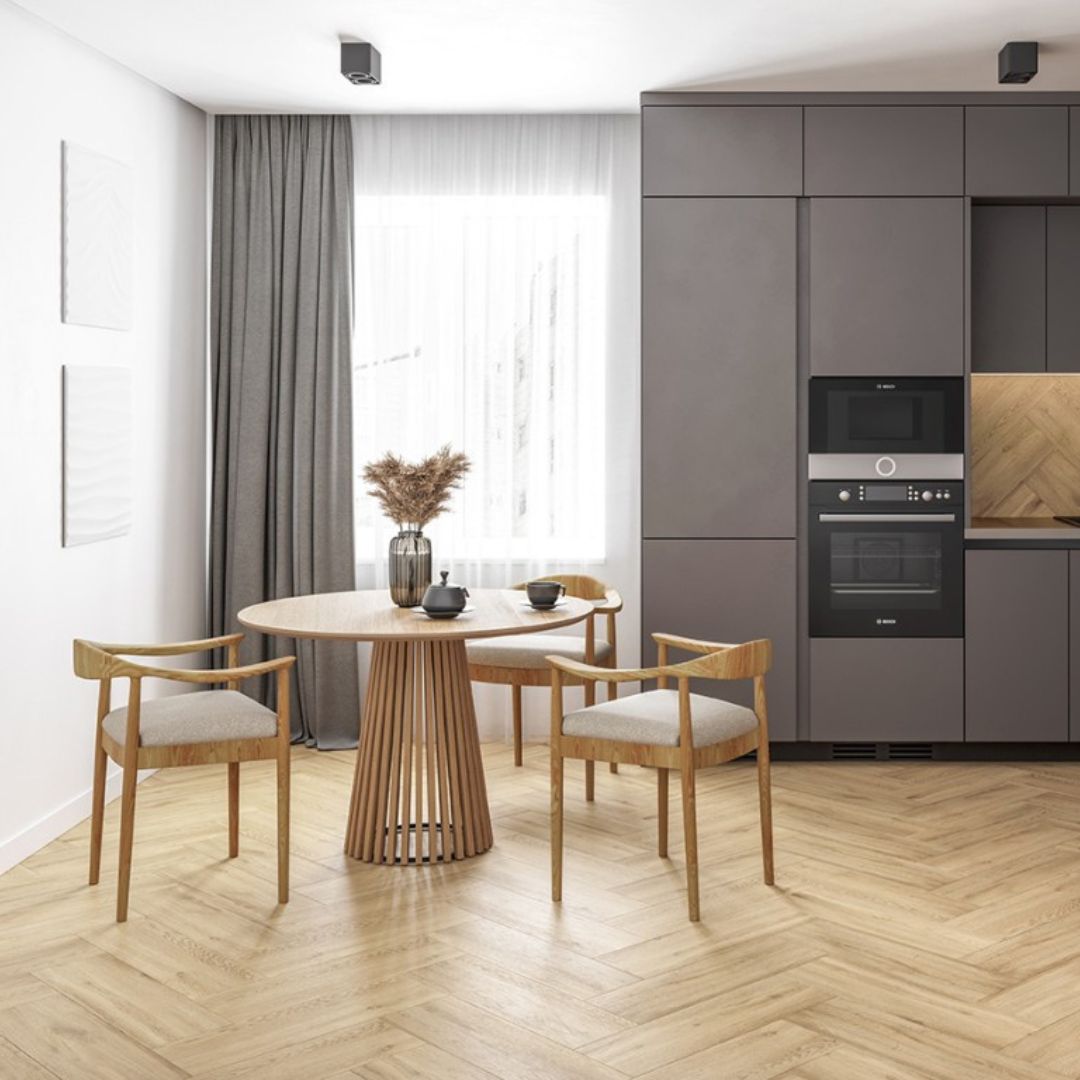
Wood effect floor tiles are designed to replicate the natural intricacy and tones of real wood, whilst offering enhanced durability, low porosity and maintenance. They provide the style of wood yet without the common issues of scratches, staining and breakage. From oak effect floor tiles to contemporary ash grey wood effect floor tiles and warm walnut floor tiles, wood effect tiles add warmth and cosiness with enhanced durability.
At N&C Tiles and Bathrooms, we have extensive experience supplying tiles and flooring solutions across the UK, we understand how different materials perform in various homes and environments. In this guide we compare wood effect tiles to real wood and laminate flooring to help you understand the differences between them, with tiles often being a practical choice for high-moisture and traffic areas.
What is Laminate Flooring?
Laminate flooring is typically comprised of multiple layers of high-density fibreboard fused together. They mimic the look of wood and are usually laid as a floating floor, with pieces being clicked together. Laminate is a cheaper alternative to real wood and can be simple to install. However, it does have its limitations.
Limitations of Laminate Flooring
- Limited water resistance: Water can get through the joints of the flooring and as it is a ‘floating floor’ it can cause swelling underneath and permanent damage.
- Shorter lifespan: Laminate isn’t as durable as a tile, and can be cracked and worn down over time, meaning their lifespan is much shorter in comparison.
- Not ideal for bathrooms or wet areas: Laminate flooring doesn’t have the low porosity and durability of tiles, meaning the water and steam can affect them.
- Surface wear: Laminate can scratch and wear over time
- Cannot be refinished if damaged
Because of this, laminate flooring may not be suitable for wet or high traffic areas.
What is Real Wood Flooring?
Real wood flooring is made from natural hardwood planks, providing natural texture and tones.
Natural wood requires continuous maintenance. Natural timber is sensitive to temperature, water and humidity, which can lead to cracking, shrinking or warping. They can mark and scratch easily and require re-sanding to remove stains. Advances in tiles using high-definition inkjet technology, means tiles now mimic the intricate grains and natural tones of wood.
Wood effect tiles can now replicate natural wood whilst providing enhanced durability and water resistance with much less maintenance.
Wood Effect Tiles vs Laminate vs Real Wood
| Feature | Wood Effect Tiles | Laminate | Real Wood |
|---|---|---|---|
| Water Resistance | Excellent | Limited | Poor |
| Durability | Very High | Medium | High |
| Cost | Medium | Low | High |
| Maintenance | Easy | Easy | Required |
| Installation | Professional | Possible DIY | Professional |
| Longevity | Very High | Medium | High |
Wood effect tiles combine the style and appeal of natural wood with the enhance benefits of porcelain, high durability, low porosity and low maintenance, making them a practical option for modern homes.
Durability Comparison
For busy households, it’s important for durability to be considered. You want to know that when you choose your flooring, it’s going to last for years.
Wood effect tiles are highly resistant to stains, scratches and wear from heavy foot traffic – making them ideal for living rooms, hallways and kitchens. Their water resistance makes them ideal for wet areas and bathrooms.
Laminate flooring is less durable, it can scratch and chip over time, especially in areas of high traffic. Moisture can also cause the planks to expand and snap.
Real wood flooring is durable but sensitive to scratches, denting and staining. It requires being refinished every 7-10 years and expands and contracts due to weather and moisture changes.
For lifespan, wood effect tiles are the most durable and will last the longest when installed properly.
Cost Comparison
Cost is also an important factor to consider when choosing your flooring.
Laminate flooring is typically the cheapest option and can be installed as a DIY project, meaning this is usually the most budget-friendly option.
Wood effect tiles sit in the middle of price range. They require professional installation, but their longevity in comparison often makes them the most cost-effective option.
Real wood flooring is the most expensive option due to its raw material cost and professional installation.
Laminate flooring is the cheapest option to begin with, but when you take into consideration its lifespan in comparison, floor tiles that look like wood are a cheaper alternative long term.
Maintenance and Cleaning
Each of these flooring types require varying cleaning regimes.
Wood effect tiles are very easy to maintain. Regular sweeping/vacuuming and mopping is enough to keep them looking brand new. Polished tiles require sealing when laid, but do not require continuous upkeep.
Laminate flooring is cleaned in the same way as tiles. Regular sweeping/vacuuming and mopping, however, they must be protected from excess water.
Real wood flooring requires the most maintenance. It may need refinishing and sealing periodically. Cleaning products must be suitable for real timber.
.png)
Best Rooms for Each Flooring Type
It’s important to consider the rooms functionality for your new wood flooring when making your purchasing decision.
Bathrooms
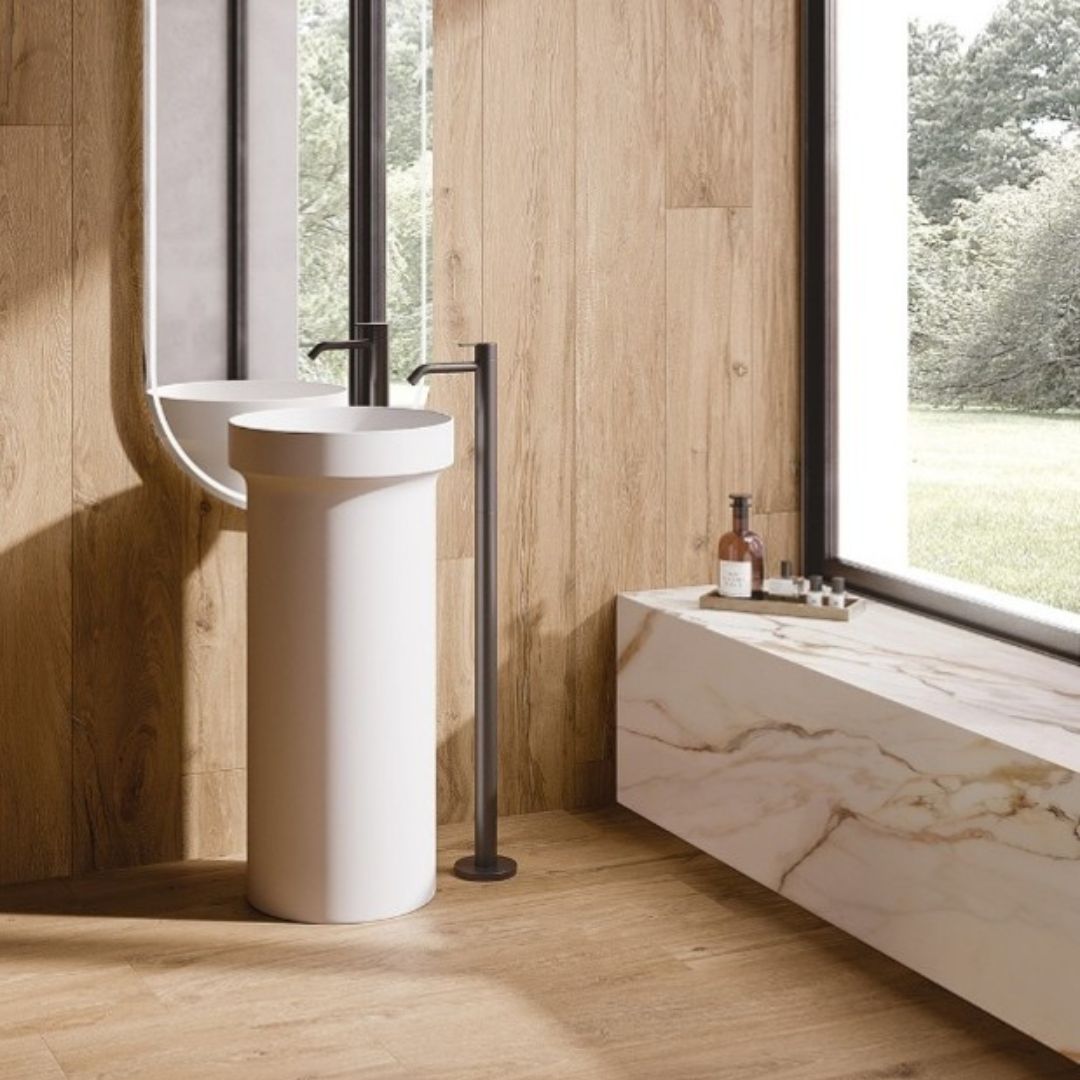
For bathrooms, wood effect bathroom tiles are the best option due to their low porosity and durability.
Living rooms
All wood flooring types can work well in the living room due to the low moisture exposure. However, a living room is typically a high traffic area, especially for busy households with children, so wood effect tiles offer the most suitable durability.
Kitchens
Kitchens are high traffic areas, with spillages and potential staining – therefore wood effect kitchen tiles are most suitable for their durability, easy maintenance and resistance to staining and wear.
When to Choose Each Flooring Type
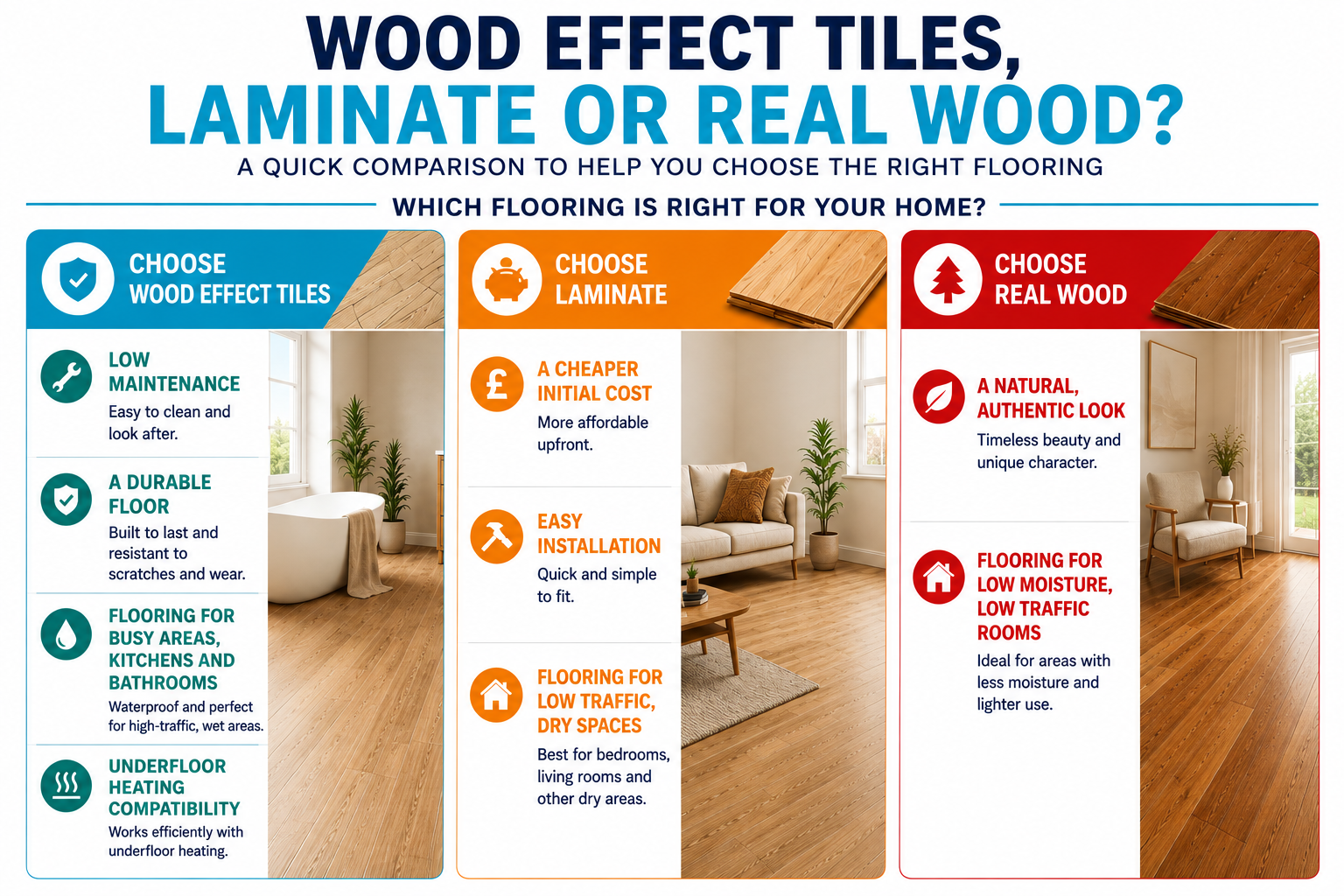
Choose wood effect tiles if you want:
- Low maintenance
- A durable floor
- Flooring for busy areas, kitchens and bathrooms
- Underfloor heating compatibility
Choose laminate if you want:
- A cheaper initial cost
- Easy installation
- Flooring for low traffic, dry spaces
Choose real wood if you want:
- A natural, authentic look
- Flooring for low moisture, low traffic rooms
Each flooring type offers varying benefits depending on your needs and preferences. Laminate is budget friendly and DIY friendly, real wood provides natural beauty and texture, while wood effect tiles offer durability and low maintenance. By considering your tastes and the practicalities of your space, you can choose the flooring that is most suitable for your interiors.
FAQs
Q: Are wood effect tiles better than laminate flooring?
A: Wood effect tiles are more durable and water resistant than laminate, making them better suited for kitchens, hallways and bathrooms.
Q: Do wood look tiles increase home value?
A: Floor tiles can add value to a property due to their durability, longevity and low maintenance. Materials that do not need constant maintenance or impending replacement can increase the value of a home. Many buyers also appreciate floor tiles that look like wood because they offer a timeless base for their personal aesthetics.
Q: Is laminate cheaper than wood effect tiles?
A: Initially, laminate flooring is a cheaper cost than tiles. However, due to wood effect tiles longevity in comparison to laminate, they last longer and therefore are more cost-effective over time.
Q: Are wood effect tiles good for underfloor heating?
A: Porcelain wood effect tiles are great heat conductors, making them an ideal choice for underfloor heating systems.
Q: What flooring looks like wood but is waterproof?
A: Porcelain wood effect tiles are a water-resistant option that mimics the style of natural wood. Modern day inkjet technology enables them to mimic the tones and grain of real wood with the enhanced durability and low porosity of porcelain, ideal for bathrooms and wet areas.
Q: Is laminate flooring good for kitchens?
A: Laminate flooring can be used in kitchens but is not ideal with continuous moisture exposure or heavy traffic. They can swell and wear down over time.
Q: What are the disadvantages of wood look tiles?
A: Wood effect tiles require a professional tiler so face an additional cost. They can feel cold without rugs or underfloor heating. However, wood effect tiles offer a practical balance of durability, style and low maintenance.
Tags: Interior inspiration
Leave a Comment
 customerservices@nctilesandbathrooms.com
 Visit our Showrooms