


Porcelain vs Ceramic Tiles: What’s the Difference?
2026-02-17
Author: Lucy Forbes – PR & Communications
When selecting tiles, we often get asked about the difference between porcelain vs ceramic. As tile experts, we’ve outlined the information you need to know when making your purchase. This is an important consideration, as every home and room is different and will require different materials.
It is important to acknowledge that both porcelain and ceramic are ideal interior material choices, especially for homes requiring quick cleans for optimum hygiene, easy maintenance with hundreds of style options to suit.
This guide explains the differences and similarities between the two, considering their durability, moisture, traffic levels, budgets and installation. After reading, you’ll firmly know whether to go for a porcelain or ceramic tile.
What are Ceramic & Porcelain Tiles?
What is a Ceramic Tile?
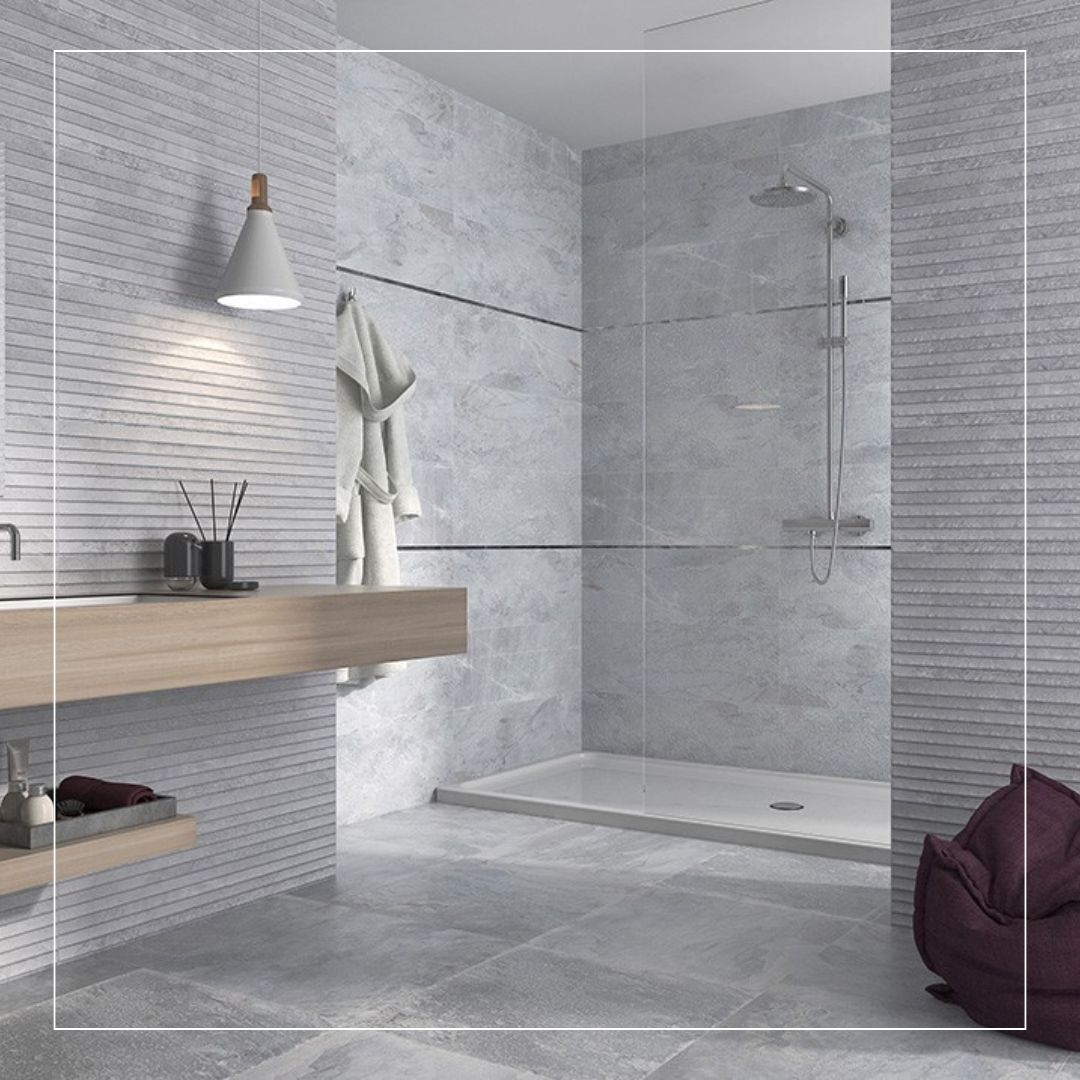
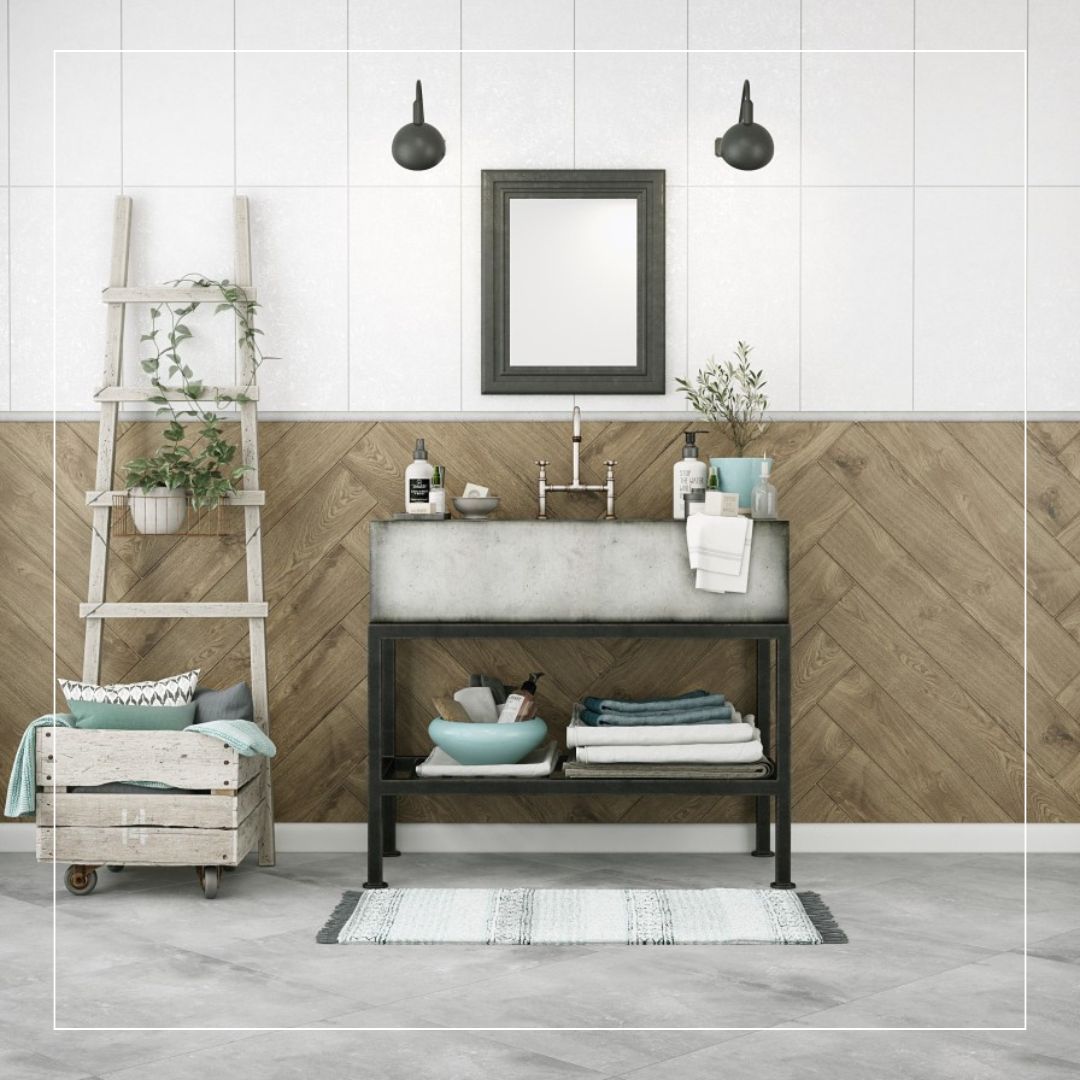
A ceramic tile is formed from a clay mixture, fired in a kiln and glazed with a colour or pattern. Ceramic typically tiles are lighter and easier to cut and drill tan porcelain, therefore perfect for use as a wall covering, where keen DIY or tile installers are likely to require significant cuts around corners or objects such as light switches and cabinets. Ceramic tiles can be used as a floor covering within a domestic environment, but we recommend porcelain for use on floors.
What is a porcelain Tile?
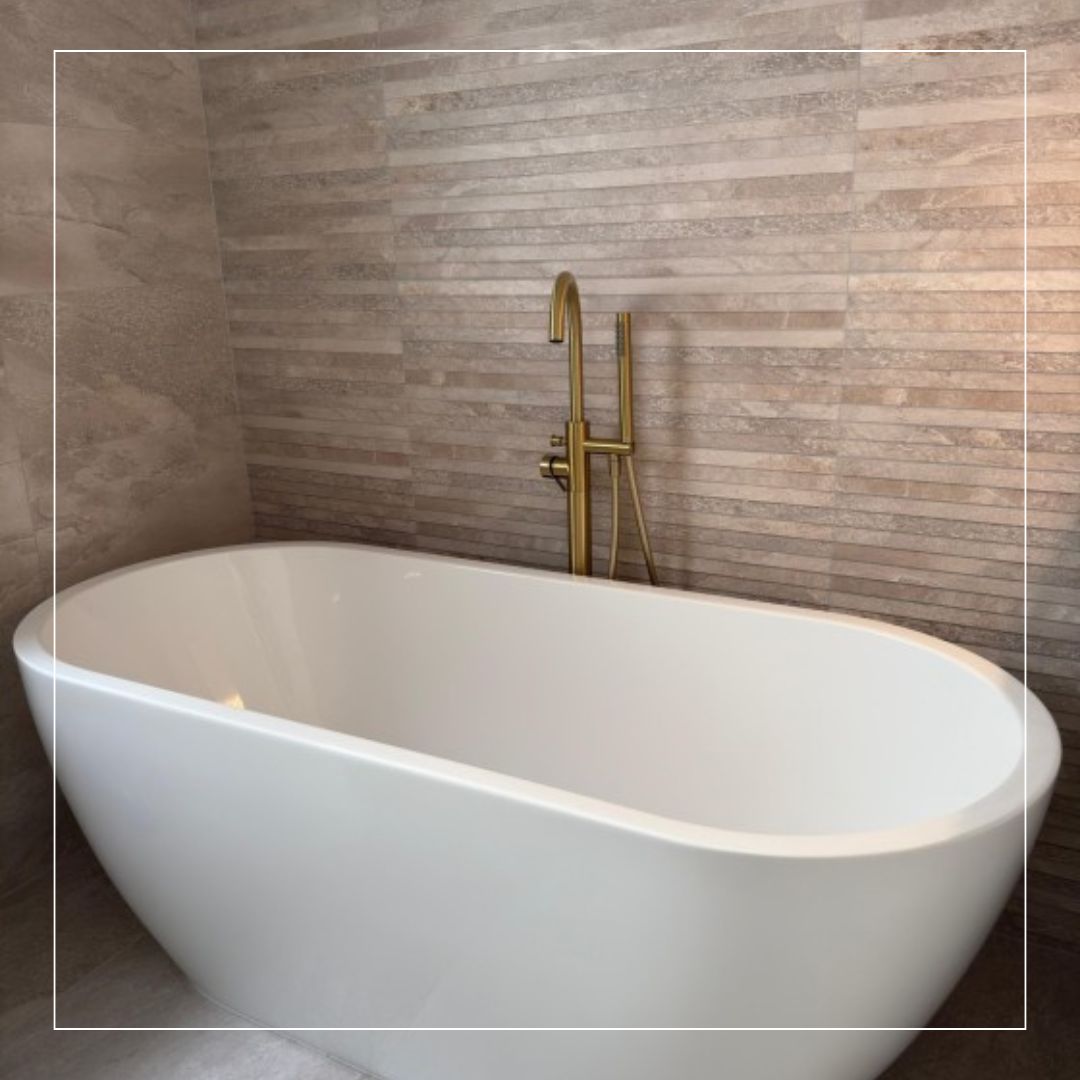
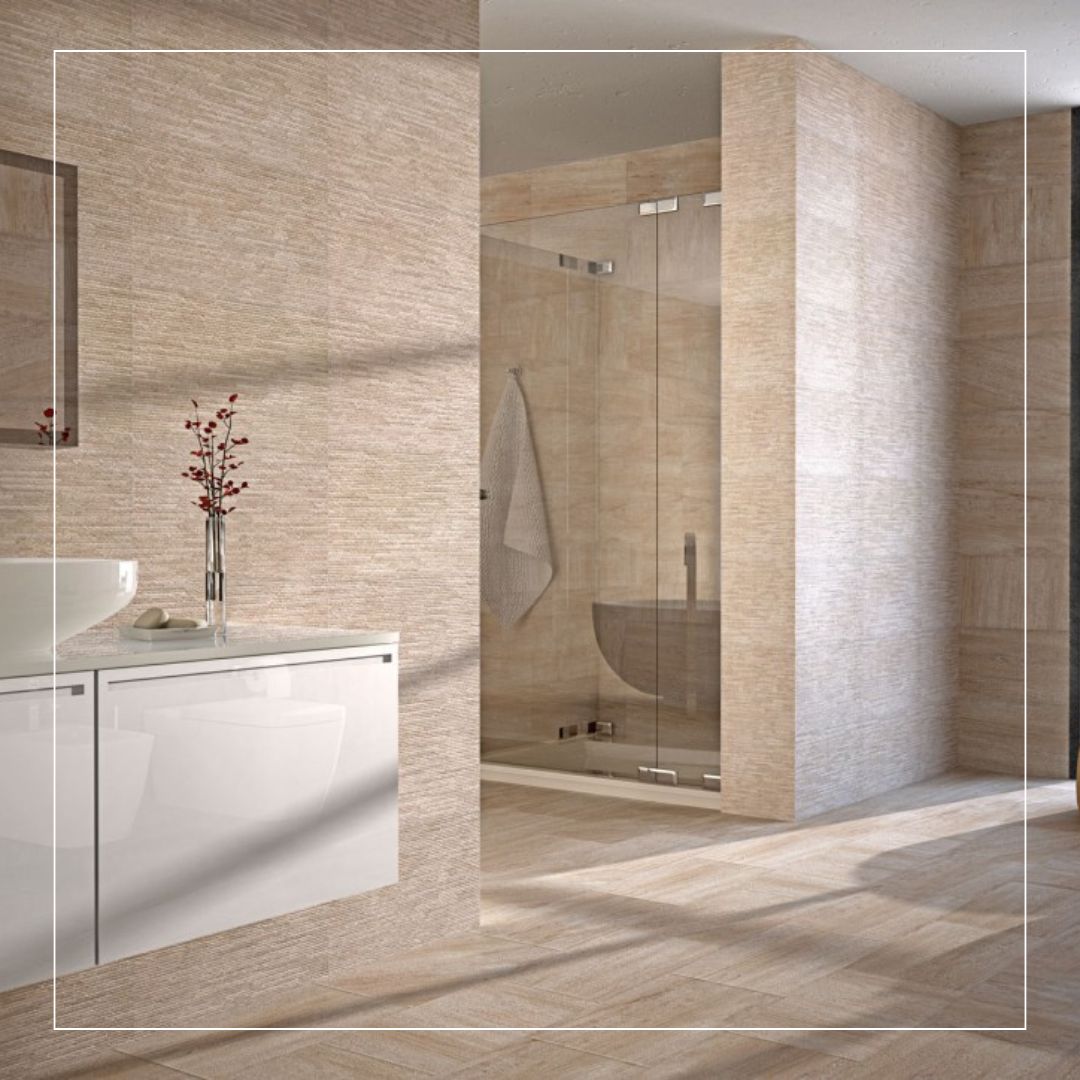
Porcelain Tiles are also made with a clay mixture but are fired at a much higher temperature and with greater pressure. Porcelain is therefore stronger, more dense and highly durable. As such, porcelain is a better choice for floors, high traffic areas, and outdoor spaces (if they are achieving a PTV rating of 36+). Just look out for the sun symbol when browsing our wall and floor tile collections.
Is ceramic the same as porcelain?
Although they look the same in appearance, ceramic and porcelain tiles are not the same, as porcelain is significantly denser and less porous than its ceramic counterpart. We’ve broken down the differences below to help you make an informed decision.
| Feature | Ceramic Tile | Porcelain Tile |
|---|---|---|
| Composition | Natural clay with glaze | Refined clay mixture with higher quality minerals |
| Firing | Standard kiln temperatures | Higher temperatures for more density |
| Durability | Moderate | Very high |
| Frost Resistance | Indoor only | Designed for indoor and outdoor use |
| Best Uses | Walls, low-traffic floor areas | Floors, wet areas, high traffic areas, outdoor areas |
| Ease of Use | Easy to cut, user friendly for DIY | Harder to cut |
| Cost | More budget friendly | Premium, choice for long term durability |
How to select tiles for different scenarios
What tiles are best for hallways and living room floors
Best choice: Porcelain
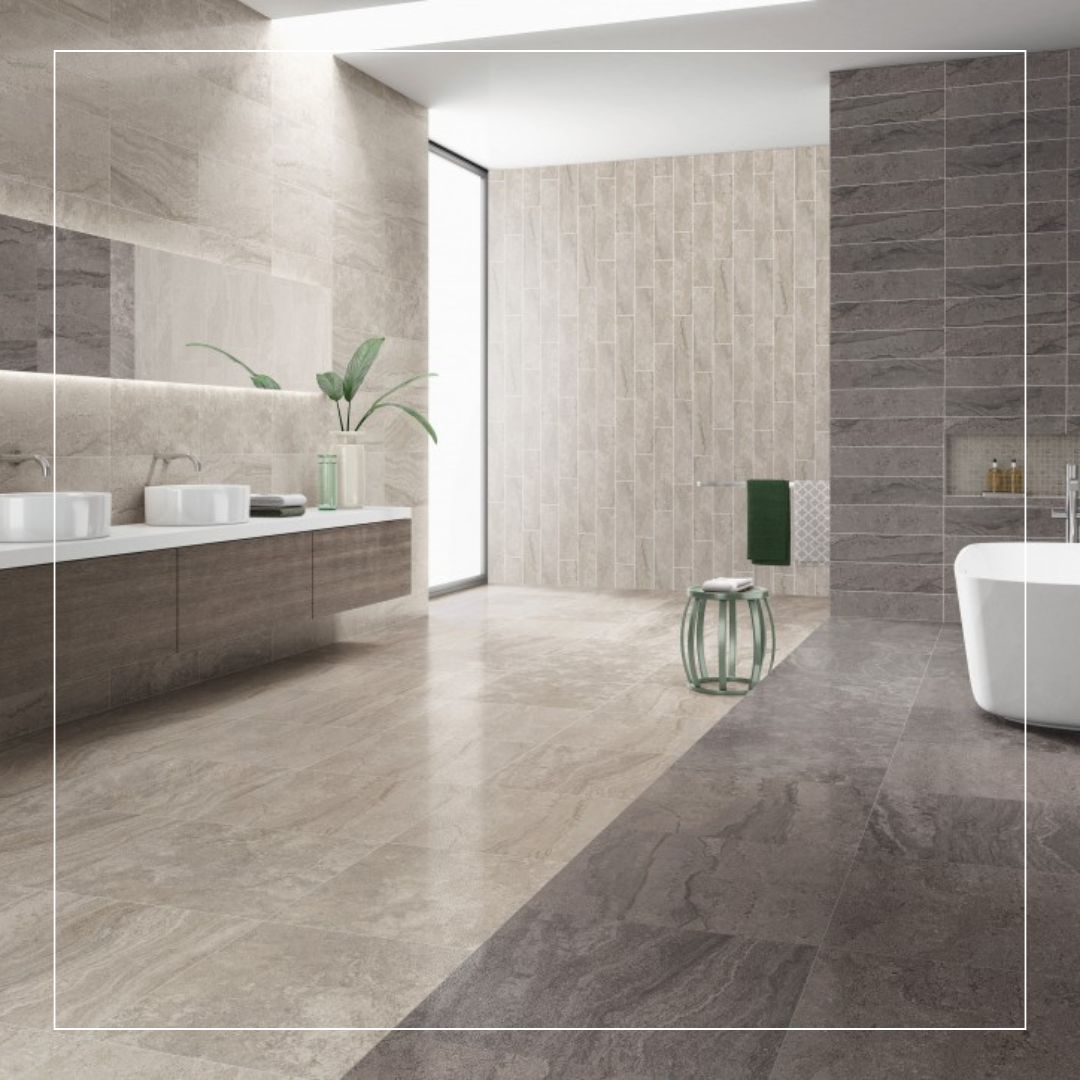
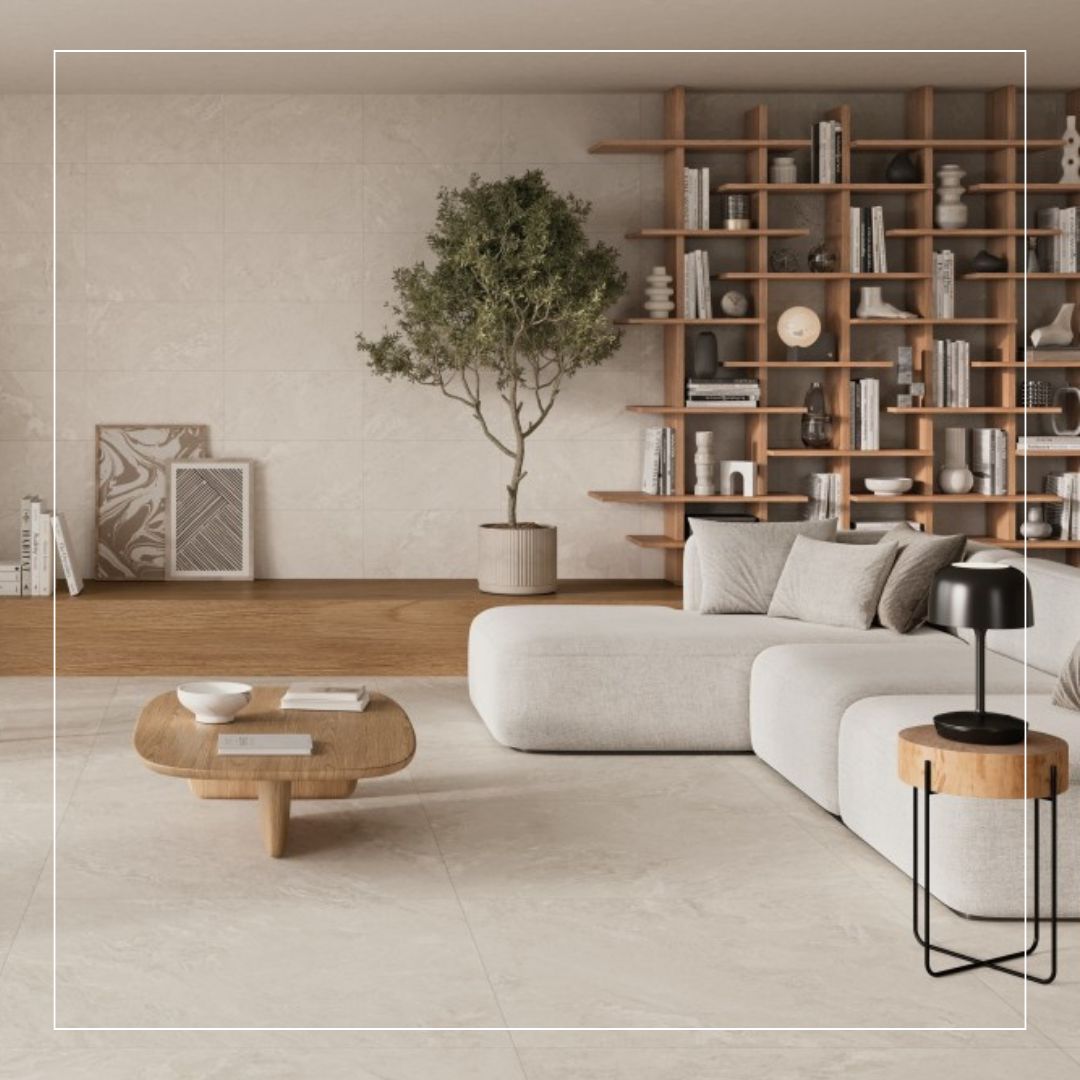
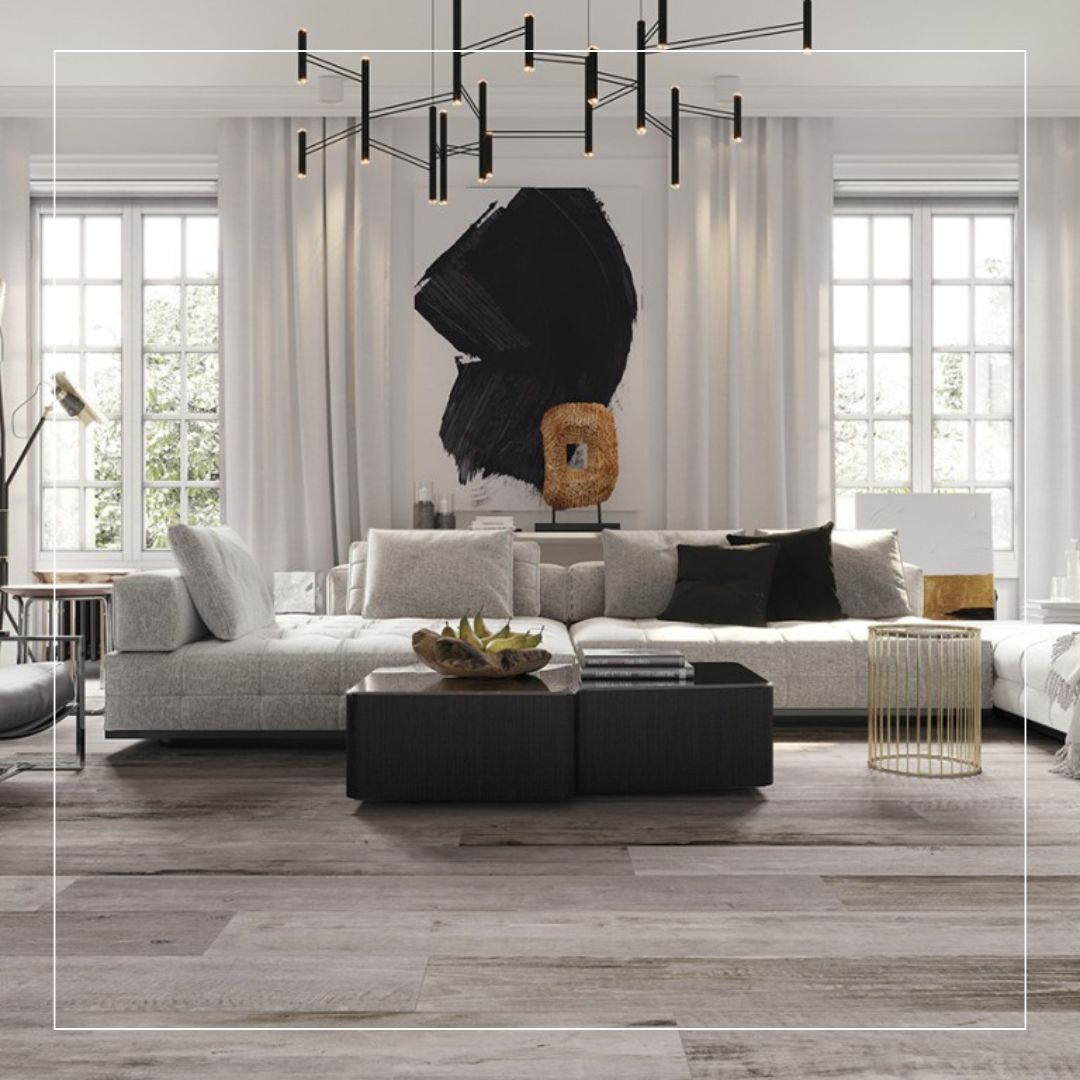
We recommend the use of porcelain on the floor within main living areas due to potentially higher traffic and better at withstanding impact, making these spaces more family (toddler tantrum) friendly and durable.
Other high traffic living areas to consider the use of porcelain are:
- Hallways
- Utility rooms
- Kitchen floors
- Porches
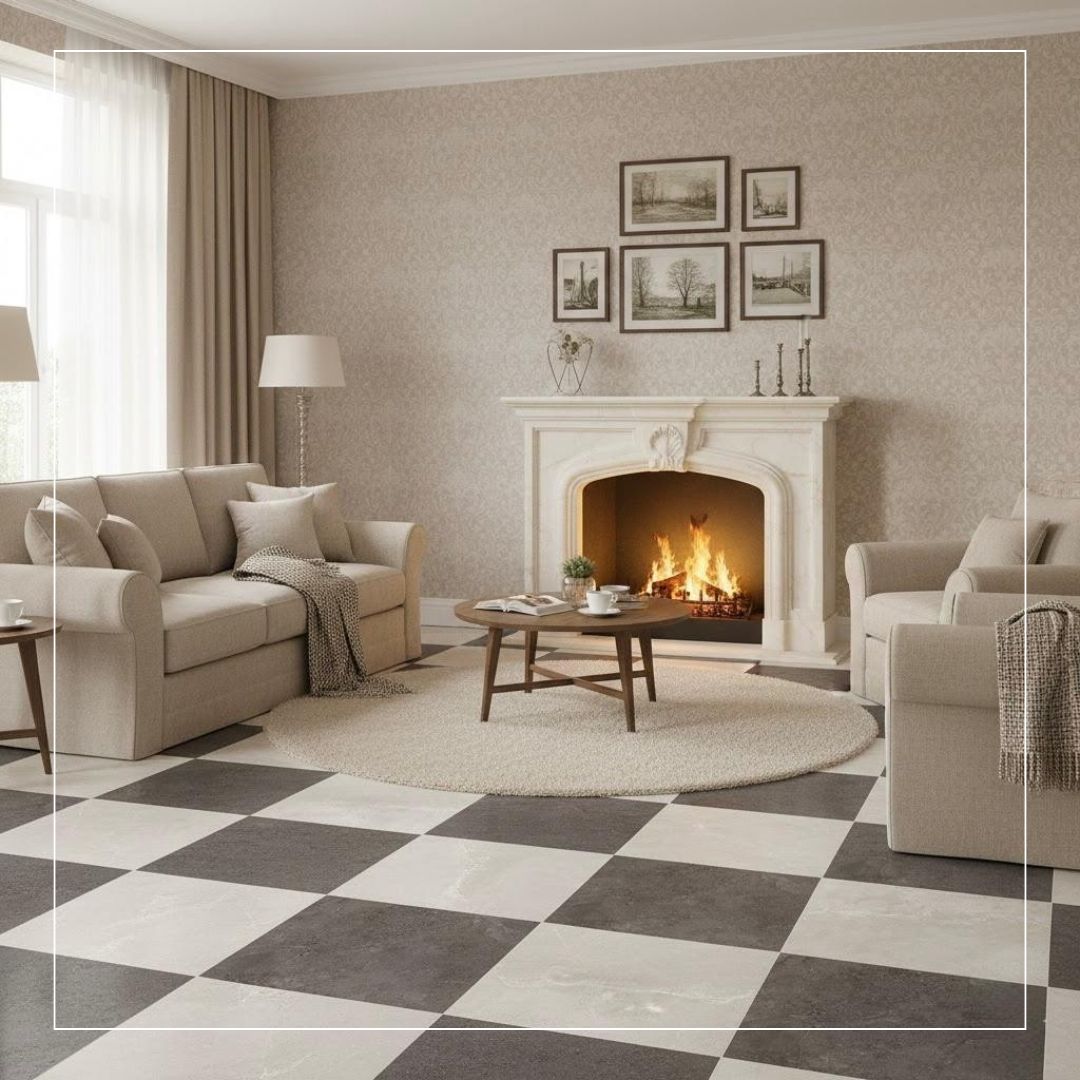
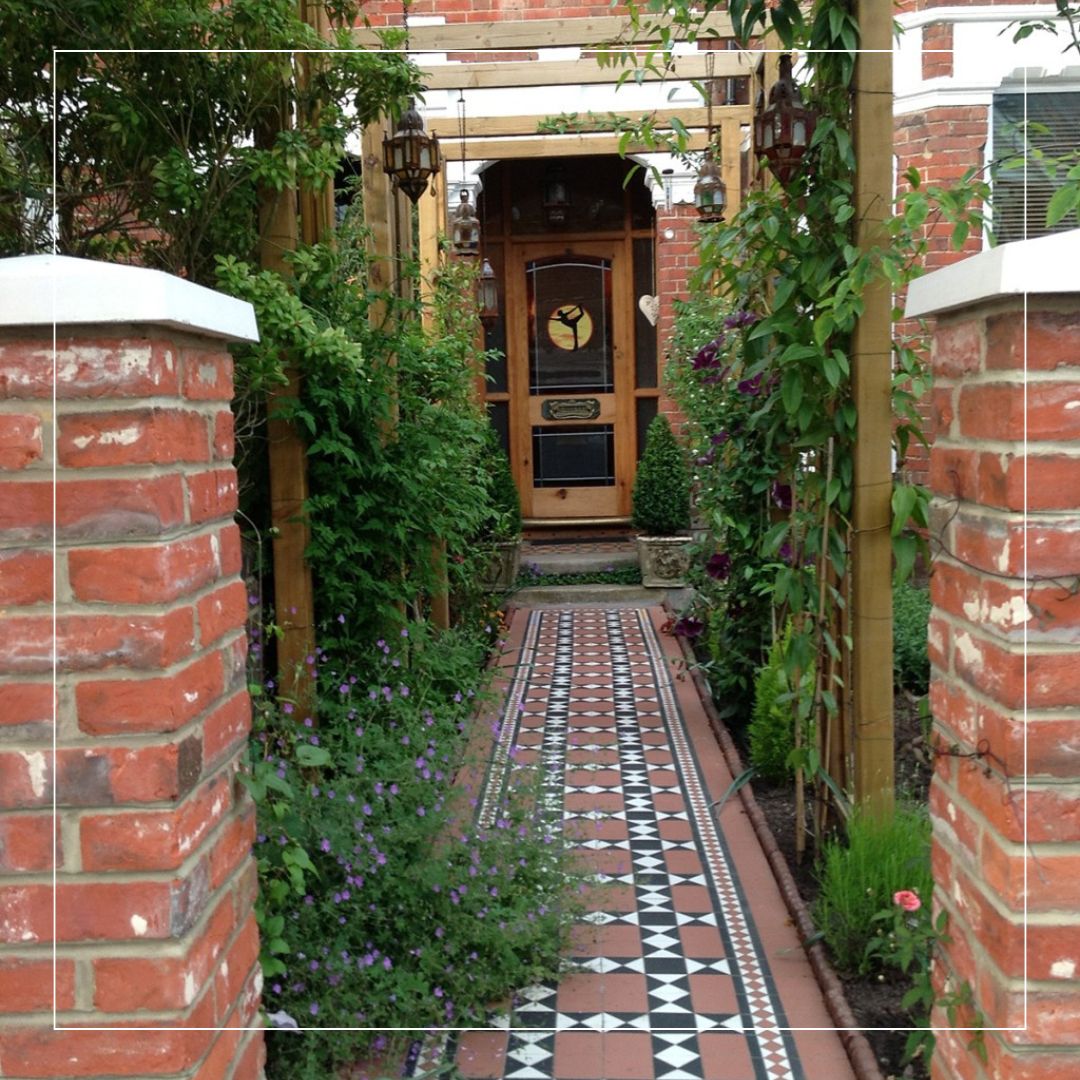
Checkerboard Tiles
Explore our Black & White Floor Tiles
What tiles are best for kitchen splashbacks?
Best choice: Ceramic
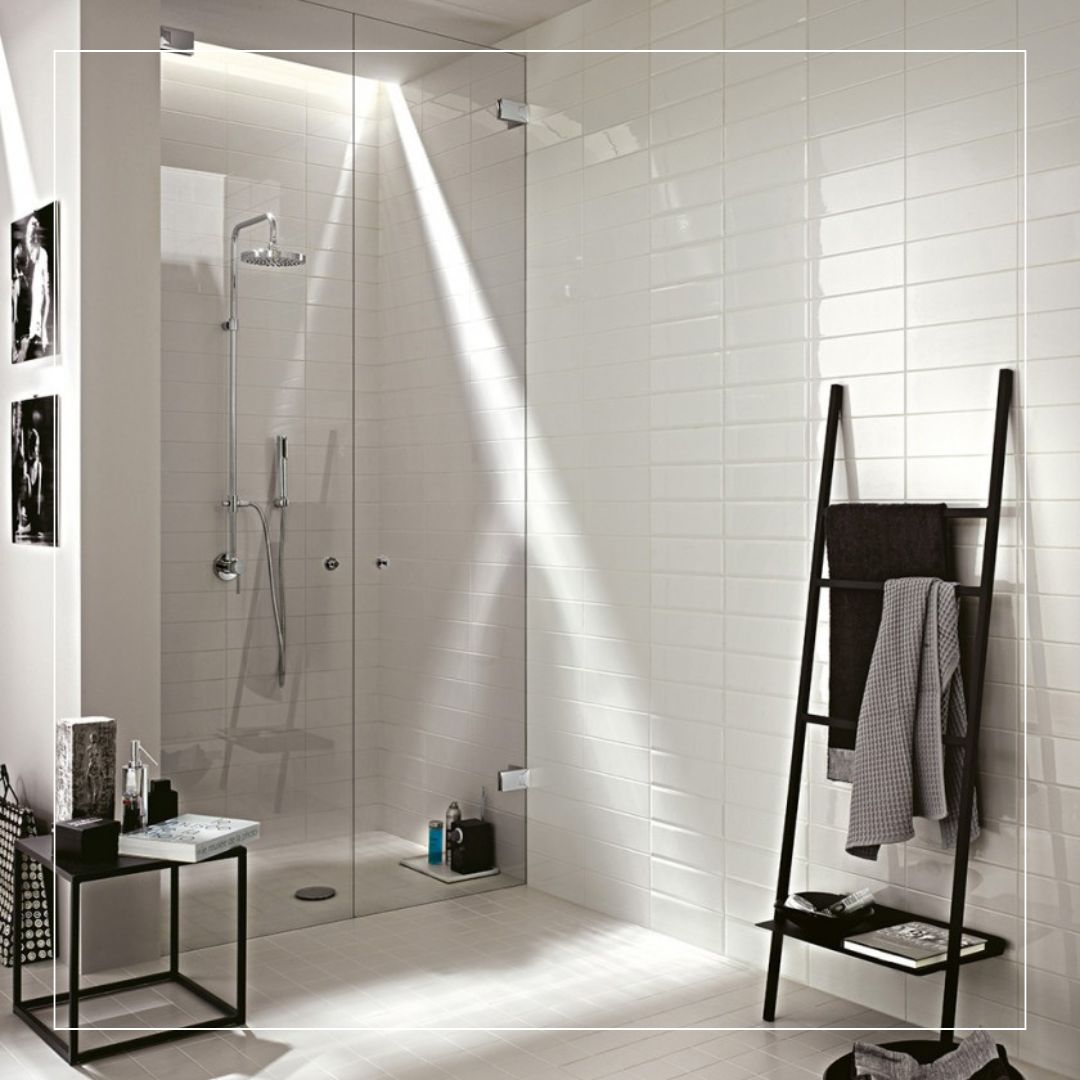
If you are choosing between porcelain or ceramic tiles for kitchen splashbacks or deciding on tiles for your shower area or wet room, ceramic tiles if installed properly are an ideal choice. However, whilst they are ideal for walls, we recommend porcelain for use on the floors as a more durable option.
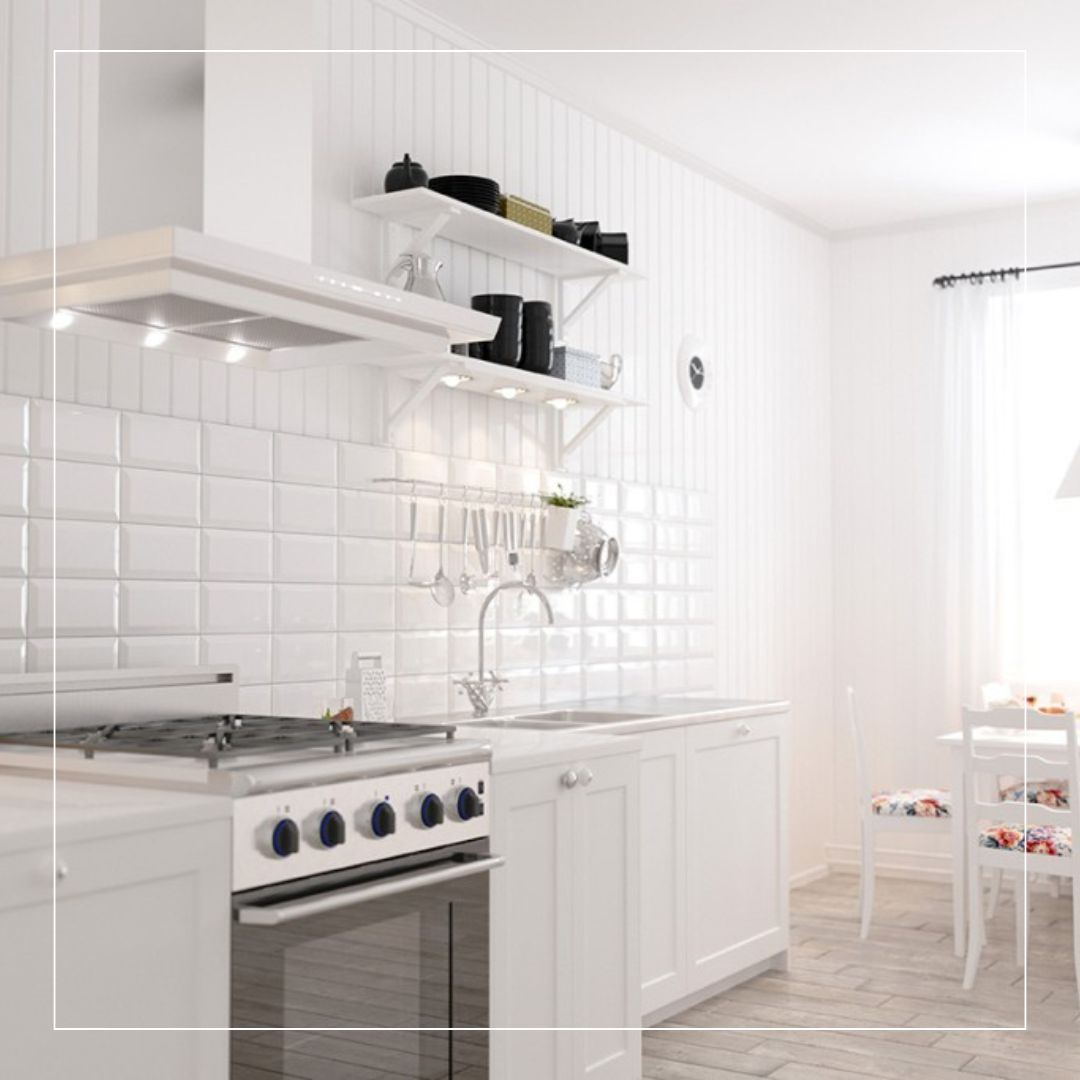
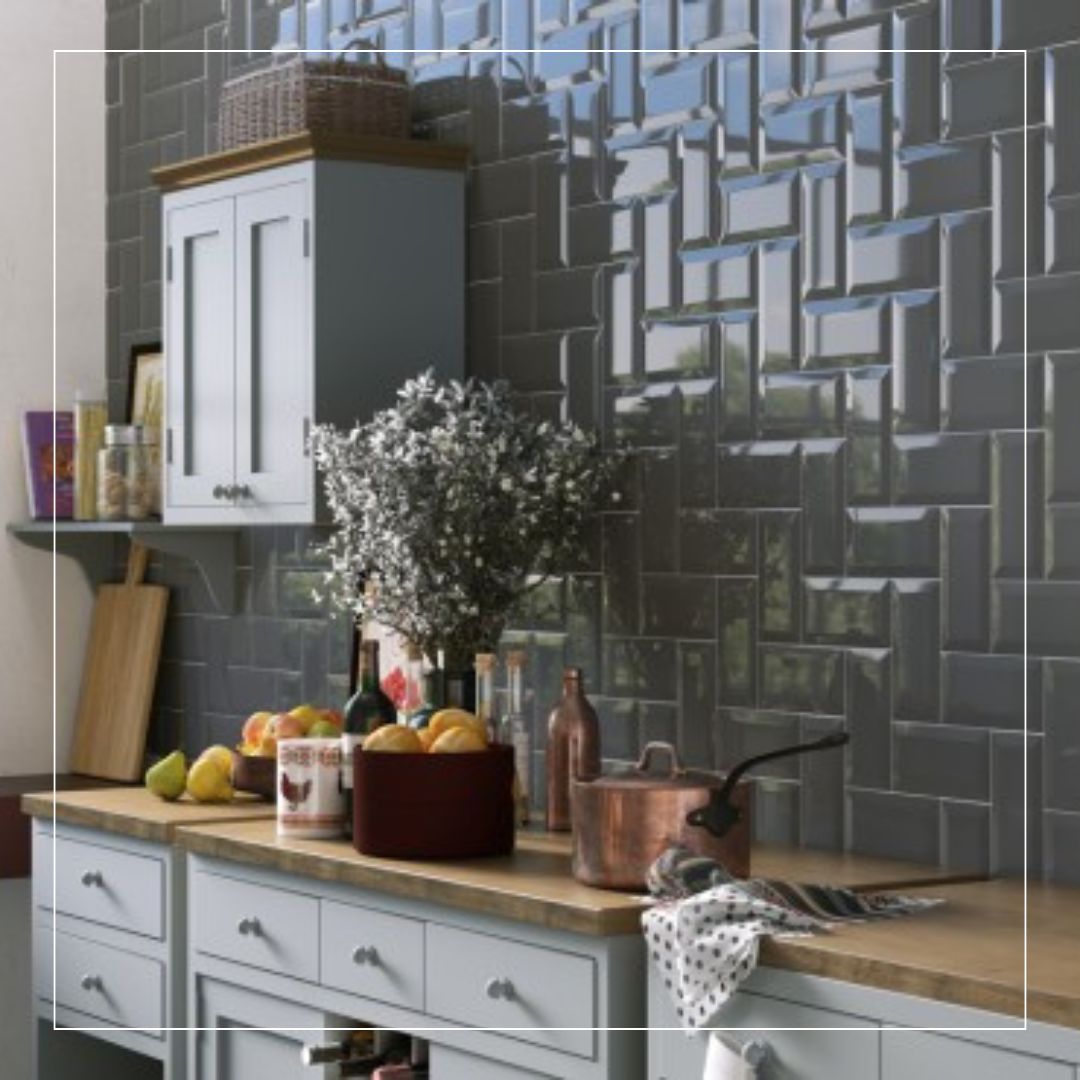
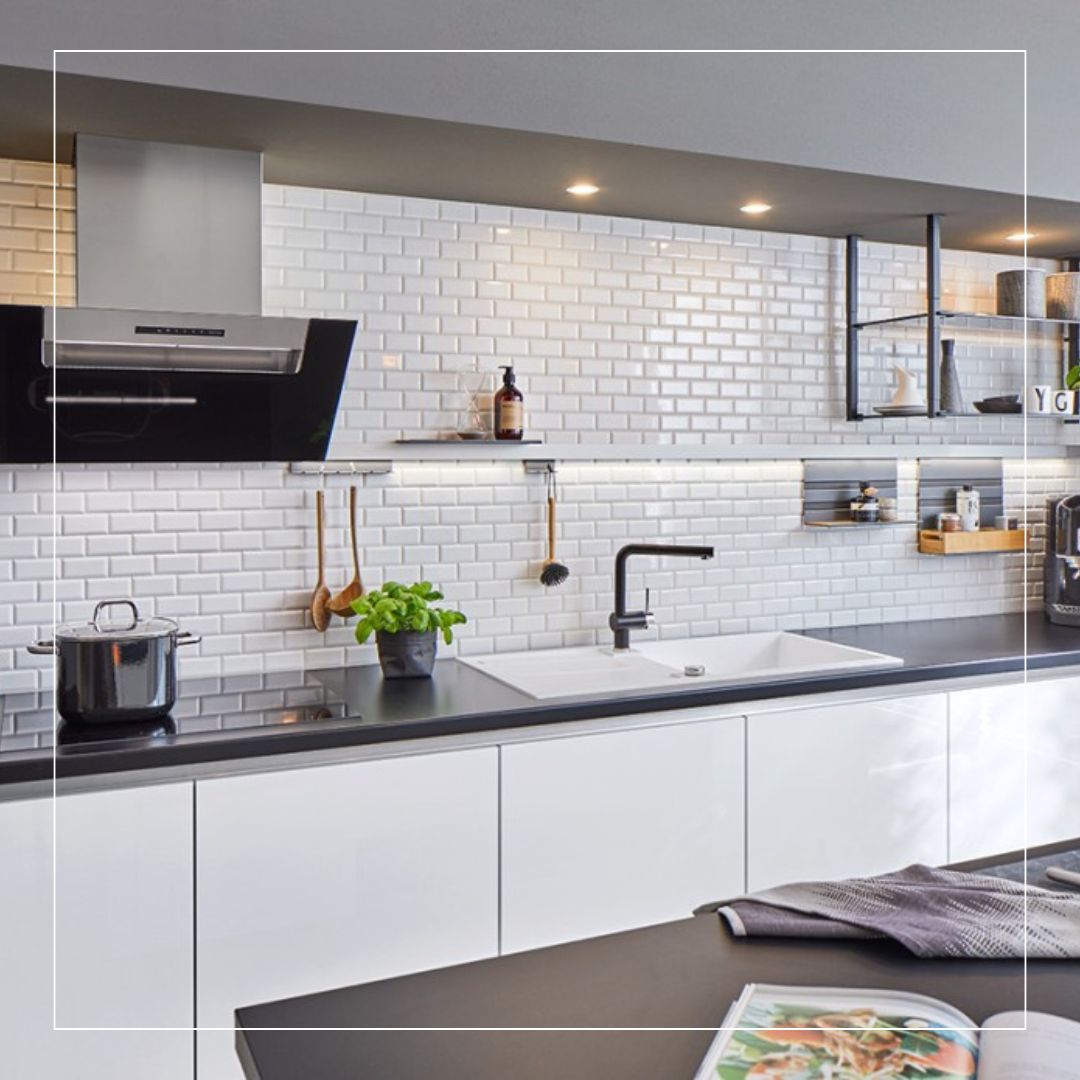
Bevel White Ceramic Mosaic Wall Tile
Explore our Kitchen Tiles
Other areas perfect for ceramic tiles:
- Kitchen splashbacks
- Utility room walls
- Shower walls
Tiles for Budget-Friendly or Low-Traffic Areas
If you’re on a strict budget, ceramic tiles boast great design options for a lower price. However, the popularity of porcelain is far outweighing that of ceramic with more budget friendly being available. The huge drive stems from newer tile cutting technology available to tiling professionals, making it easier than ever to cut and shape porcelain.
If budget is the main concern, the best choice is ceramic tiles
If durability and long-term performance matter more, thebest choice is porcelain tiles.
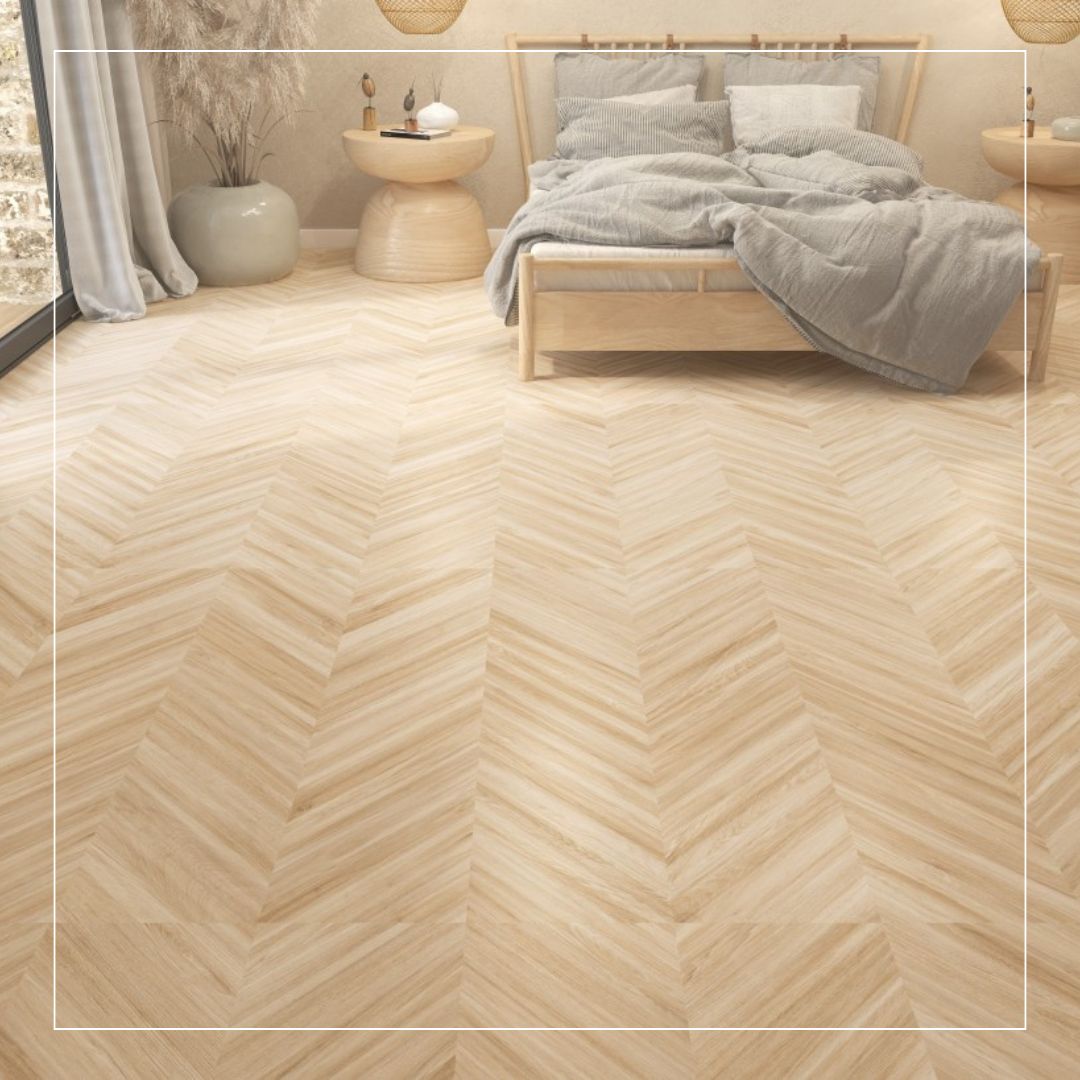
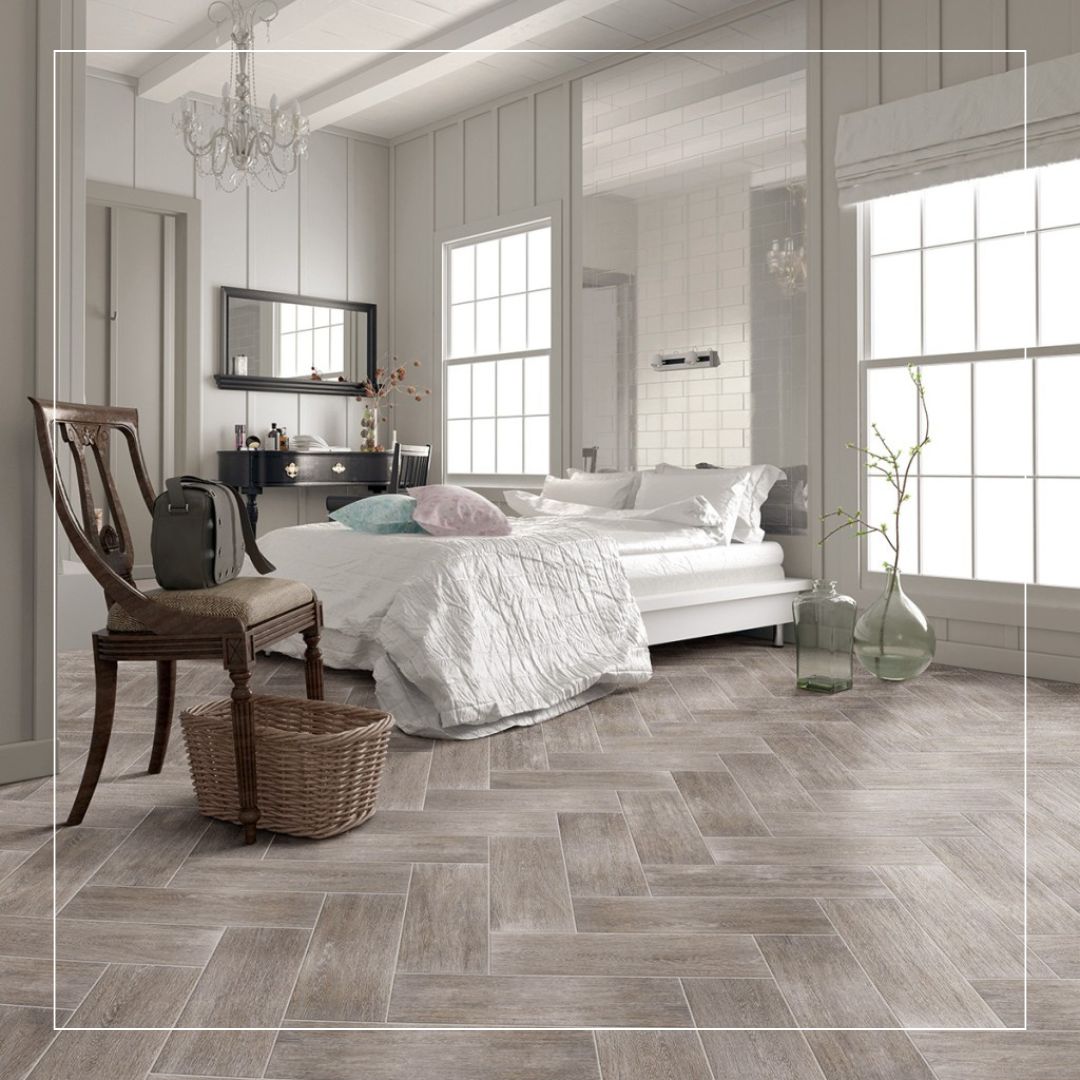
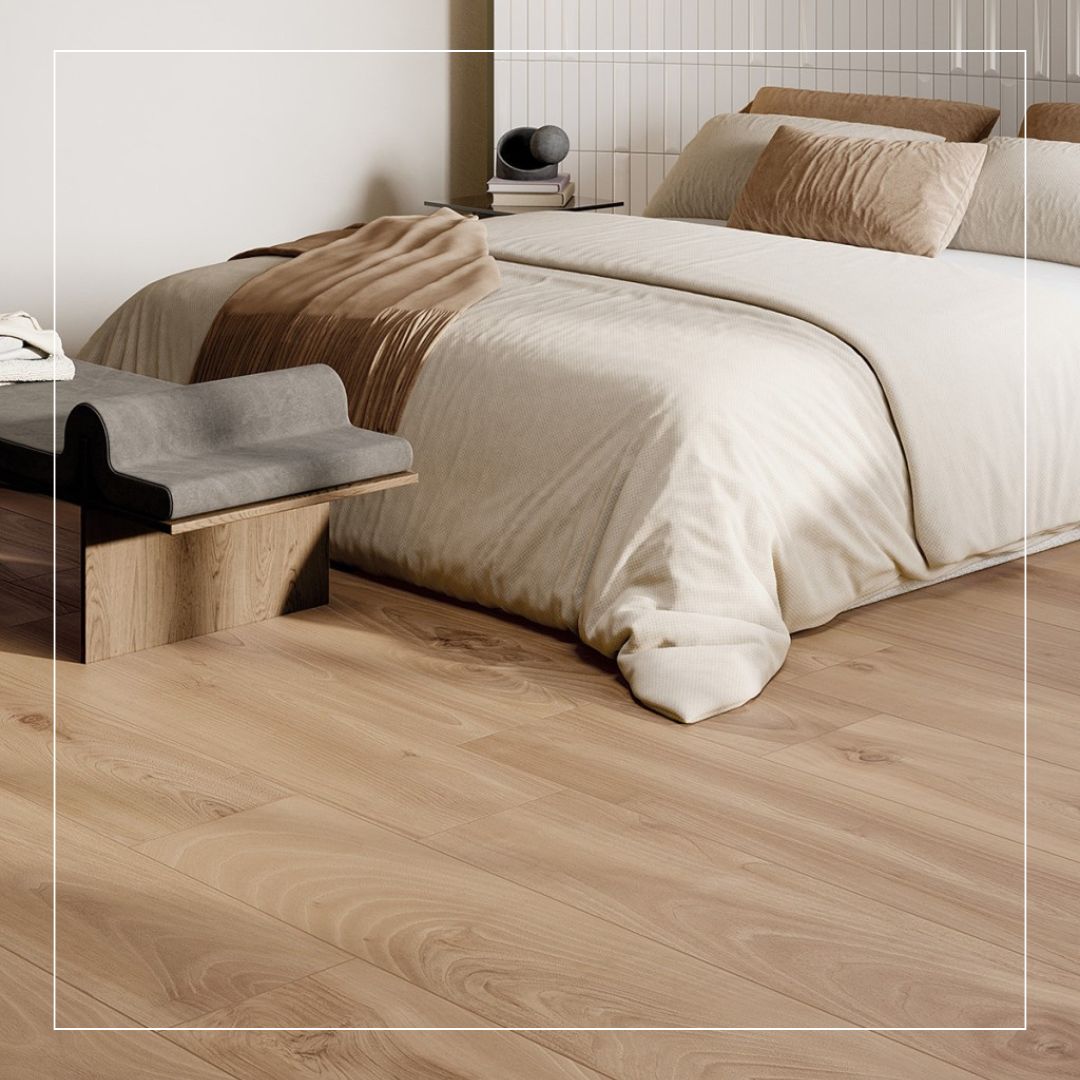
What tiles are best for a DIY Project?
Best choice: Ceramic
Due to the easier, lighter cuts that can be achieved from a manual tile cutter, ceramic tiles are the ideal option for those home DIY project. Porcelain requires professional tools and experience. As ceramic is lighter and less dense, it can be easier to handle in a DIY.
For most home DIY projects, ceramic offers the most practical and user-friendly solution:
- Lighter
- Easier to cut
- Suitable for use with ready mixed adhesives
Tiles For Outdoor Use During Colder Seasons
Best choice: Porcelain (2cm)
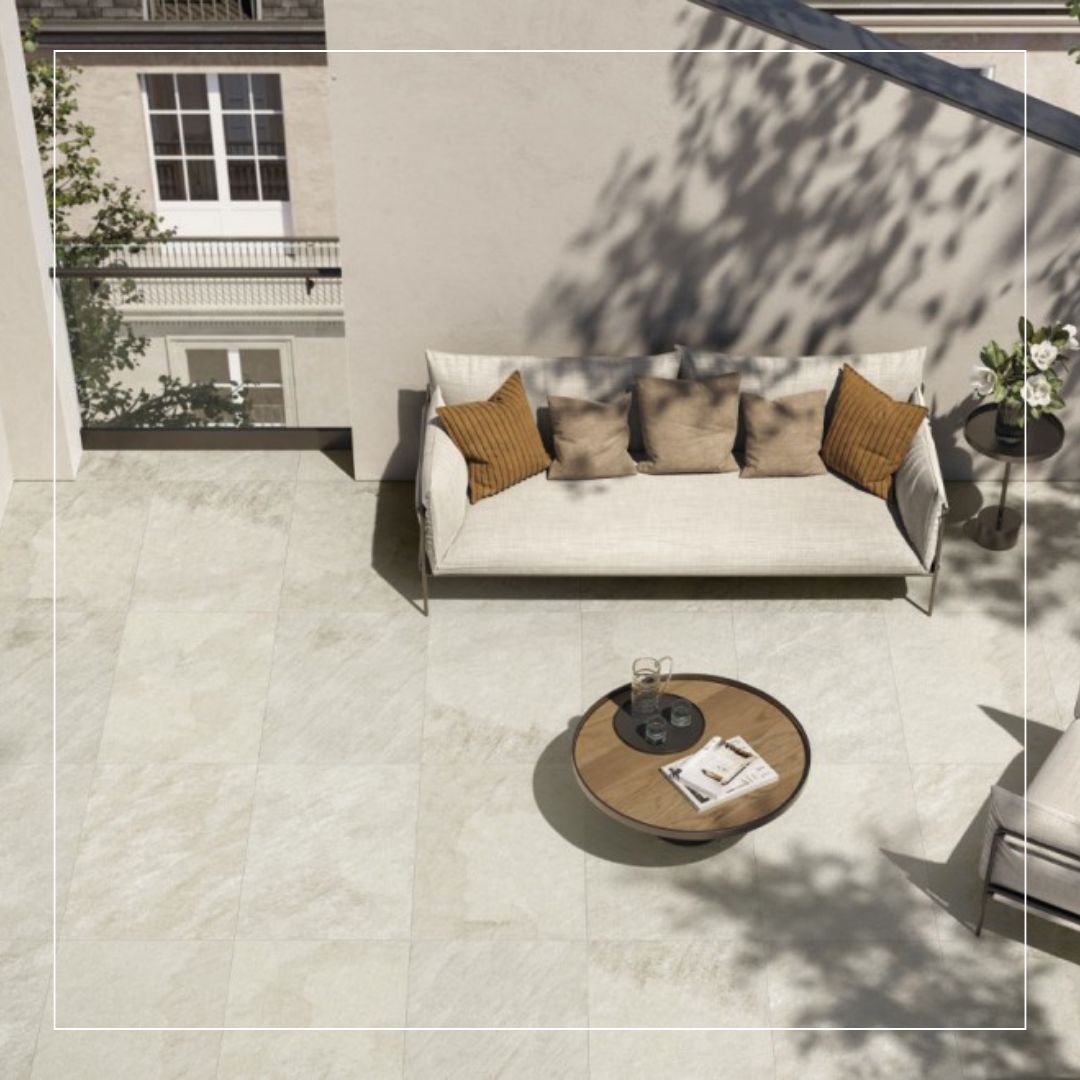
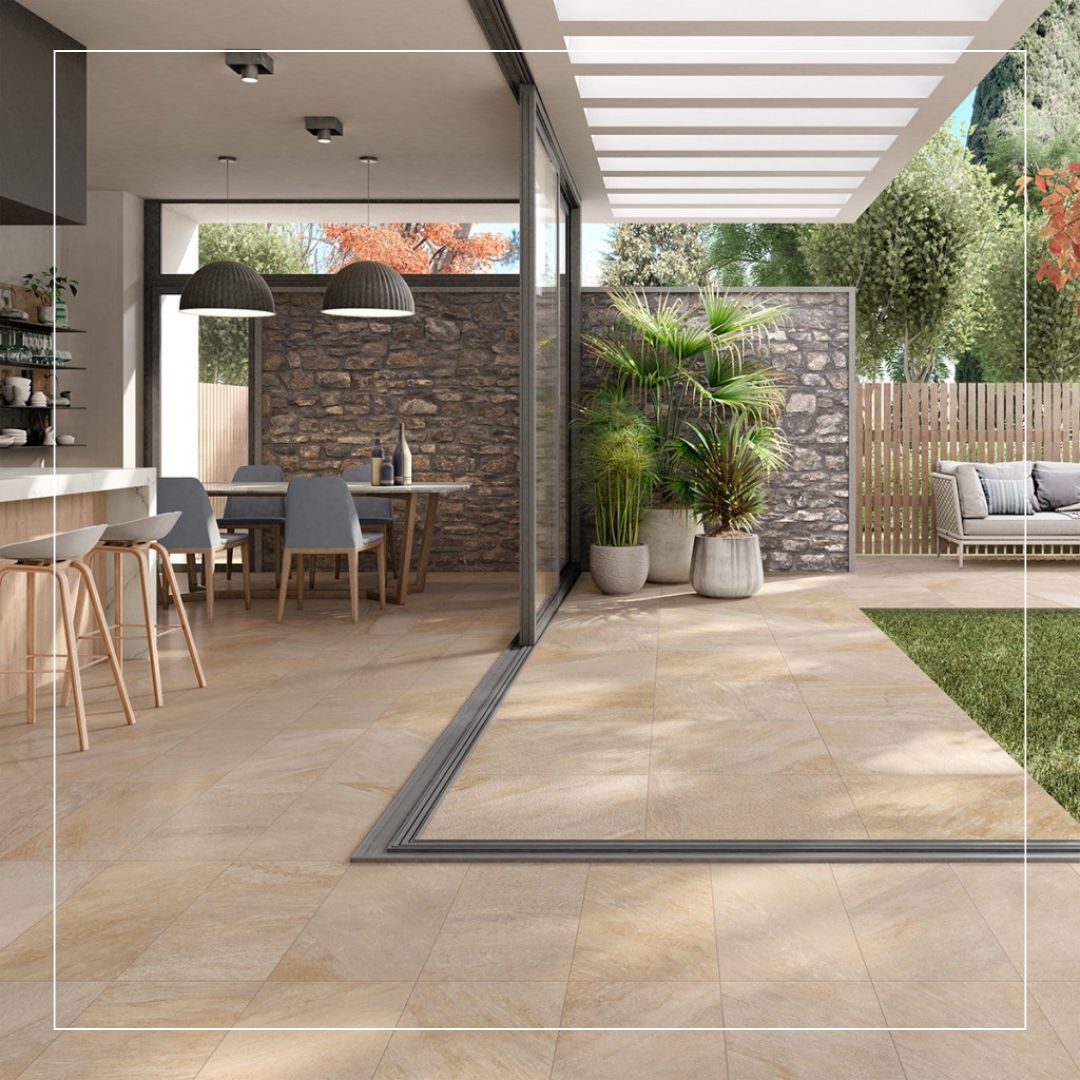
Porcelain is a great option for use externally as it is denser with a low water absorbency preventing water from entering the body of tile. Due to our frequent rainy days, it is important in the UK to ensure that porcelain used outdoors achieve a PTV rating of 36+ in accordance to British Standards BS5385-2 and as recommended by the Tile Association (https://www.tiles.org.uk). Simply look out for the sun icon when browsing or head straight over to our outdoor porcelain collection.
Why choose 20mm porcelain for outdoor use?
- Stain resistant
- Slip resistant
- Fade resistant
- Low maintenance
- Chemical resistant
- Durable
- Frostproof
What makes tile floors suitable for underfloor heating
Underfloor heating is ideal offering a more comfortable experience under your feet. If you are considering underfloor heating, or simply questioning whether porcelain or ceramic tiles are best for underfloor heating, we can help! Porcelain is the best tile option to use with underfloor heating due to having a low absorption rate and therefore enabling a better heat distribution through the tile. We partner with a range of undertile heating manufacturers offering the best underfloor heating solutions.
Key Takeaways
- Porcelain is a premium material, stronger and less porous, ideal for high-traffic, wet or outdoor areas.
- Ceramic is more affordable, suitable for walls and low traffic areas.
- Porcelain is the best choice for bathrooms, kitchens, outdoor areas and underfloor heating.
- Ceramic is easier to use and cut for DIY projects.
- Both ceramic and porcelain tiles come in a vast variety of designs and styles.
FAQ
Which is better, porcelain or ceramic tiles?
Porcelain is the ‘better’ tile option, as it offers durability and low absorption, highly suitable for the kitchen, bathroom and hallways in your home. Ceramic is less durable and more suitable for walls. However, ceramic tiles offer more budget-friendly options and are easier to install as a DIY project. Porcelain tiles ensure longevity and performance. Choosing between porcelain tiles and ceramic all depends on your requirements and project details.
What are the disadvantages of porcelain tiles?
The main drawbacks of porcelain tiles is that they are generally more expensive than ceramic tiles. Due to their more complex manufacturing and higher quality material, their price increases. Porcelain is denser and therefore harder to cut, requiring professional experience and tools.
Do porcelain tiles last longer than ceramic tiles?
Porcelain tiles last longer than ceramic tiles due to their denser, less porous nature. Ceramic is easier to crack and chip in comparison to their porcelain counterpart. Ceramic is more susceptible to wear and tear. Porcelain is resistant to staining, and moisture damage, making them a better long-term solution. *See sealing.
Can porcelain and ceramic tiles go outside?
2cm outdoor porcelain is designed specifically to be used externally on patios and terrace areas, and ceramic is not suitable. Any standard porcelain can be used on feature walls, and cladding. 2cm outdoor porcelain is frostproof, stain resistant and extremely durable, whereas ceramic absorbs more water and would crack in freezing temperatures.
Are porcelain and ceramic tiles easy to clean?
Porcelain and ceramic tiles are extremely easy to clean. Regular sweeping/vacuuming and mopping is all it takes for your tiles to be maintained and looking brand new. Porcelain tiles are less porous and have more resistance to staining, so are slightly easier to maintain than ceramic.
Are porcelain and ceramic tiles suitable for underfloor heating?
Yes, both ceramic tiles and porcelain tiles can have underfloor heating installed. Due to porcelain density, it makes for an excellent heat conductor. Combined with porcelains low absorption rate it makes it a perfect choice for heated floors in bathrooms, hallways and kitchens.
Leave a Comment
 customerservices@nctilesandbathrooms.com
 Visit our Showrooms